A dhaba on
US-93.
Ten years of slow-cooked food, honest spices and a family kitchen that never learned how to take shortcuts.
The first pot
of dal.
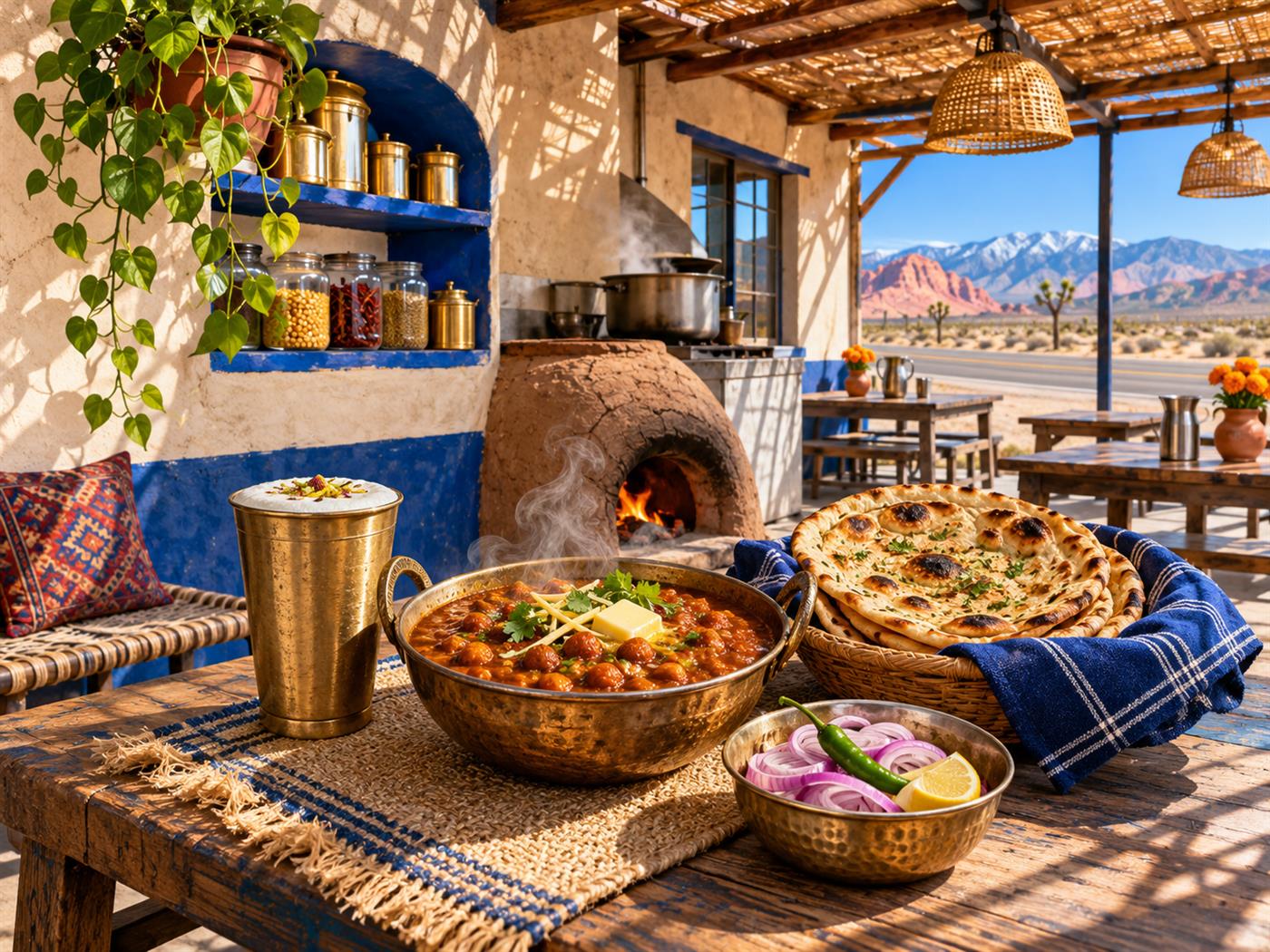
Sher E Punjab Dhaba started as a home kitchen with a single pot of dal makhani simmering on a portable gas burner. Our founders — a Punjabi family who had spent two decades cooking for friends, temples and small restaurants across three states — had just moved to Wells and could not find the food they grew up with. So they made it themselves. They set up at the corner of US-93 with three folding tables, a tandoor and a handwritten menu of eight dishes. The first week, twelve people ate here. The second week, thirty. By the end of the first winter, we were serving truck drivers, families heading through to Idaho and locals who had never tasted real Indian food. That winter set the tone for everything we've done since.
Ten years later, the menu is longer and the kitchen is bigger, but the principles haven't moved. We still cook in small batches. We still grind our own masalas every morning. And we still believe that the best food on a highway is the food that tastes like someone's home.
Simple. Honest.
Open all day.
In Punjab, a dhaba is a roadside kitchen — the kind that lines highways between cities and serves truck drivers, families and anyone who needs a real meal. Dhabas aren't fancy. They aren't trying to be. The food is hot, the portions are honest, and everything is cooked by hand from raw ingredients. A good dhaba will have a clay tandoor going all day, a pot of dal simmering from morning, and at least one uncle at the counter arguing about cricket.
When we moved to Wells, that was the restaurant we wanted to build: not a fine-dining Indian place, but a true roadside dhaba — the kind you can pull off the highway for at 9 in the morning, order a proper breakfast of paratha and chai, and be back on the road in twenty minutes feeling human again. That's still what we are.
Food that
travels well.
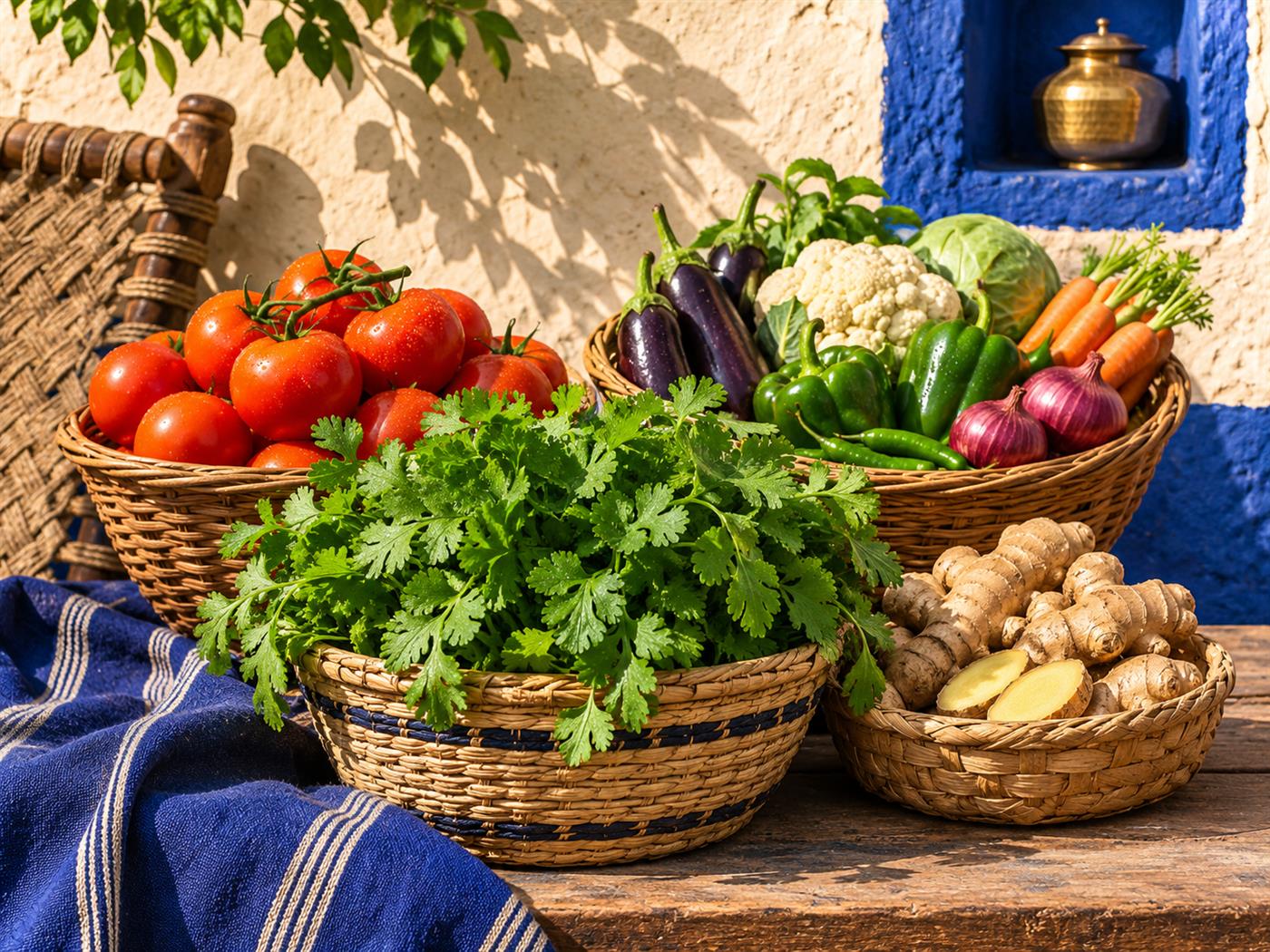
We are in a small town. That means we can't be fussy about where every head of cauliflower comes from — but we can be specific about the things that matter. Lentils come from a co-op in Idaho that we've used for six years. Chickpeas come from a family farm in Washington. Paneer we make ourselves, three times a week, from local milk. Chicken and lamb come from a Nevada ranch that we know by name. Produce comes in three times a week, from farms we can visit in a day's drive. We don't call this "farm to table" because that phrase has been stretched past meaning — but it's the closest word we have. Most of what you eat here was grown, ground or made within 400 miles of where you're sitting.
A short
timeline.
From three folding tables to a full kitchen — the same family, the same recipes, the same tiny corner of Nevada.