Launch offer Any Signature Bowl + Naan — $12.99 See offer →
Order
The kitchen

How the
food is made.

Every plate that leaves our counter has passed the same four steps: sourced close, ground fresh, cooked slow, finished by hand.
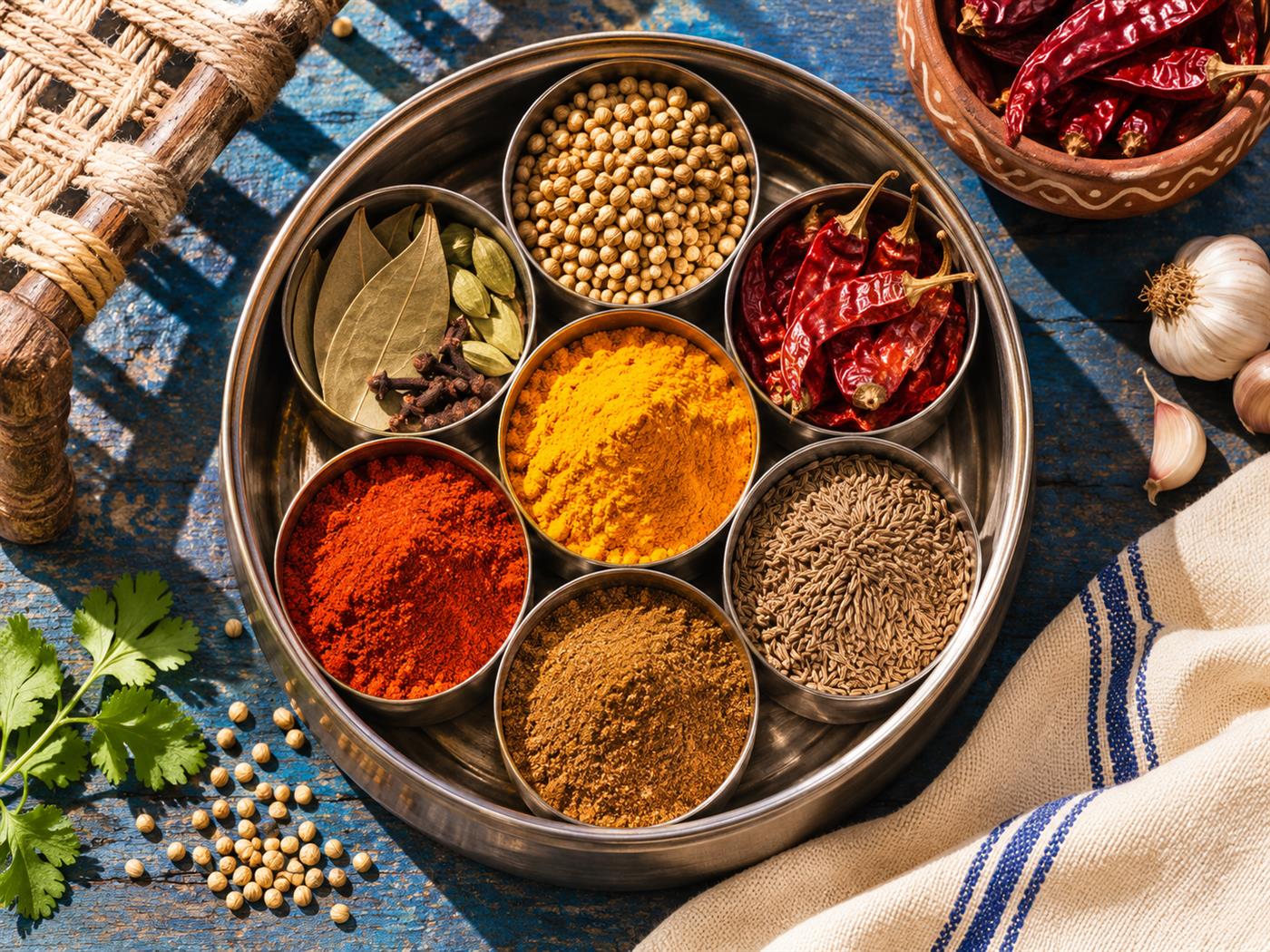
Whole and ground spices in the spice room
Step 01

Source
close.

The kitchen starts at the loading dock. Produce arrives three times a week from farms we can visit in a day's drive. Lentils and rice come from family co-ops we've used for years. Chicken and lamb come from a Nevada ranch whose owners we know by first name. If we can't trace where an ingredient came from, it doesn't come in the door.

This isn't marketing — it's practical. Small farms don't ship in bulk, so we cook in smaller batches. Smaller batches mean we taste more often, adjust more often and burn less. The result is a kitchen that's slower than it needs to be, and better for it.

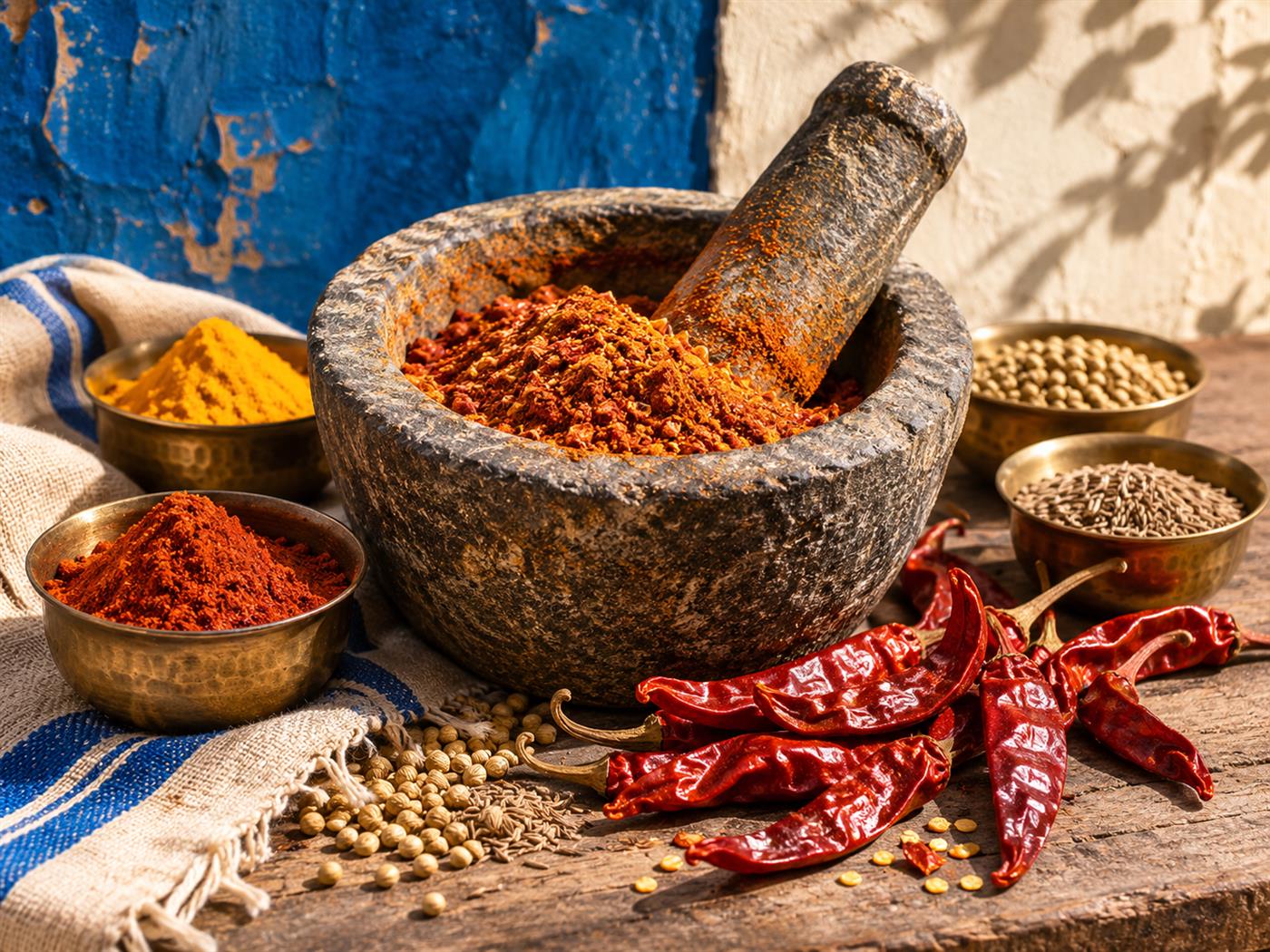
Fresh ground spices and chillies
Step 02

Grind
fresh.

Before the doors open, whole cumin, coriander, dried red chilli, green cardamom and fenugreek hit the stone grinder. We grind them by hand in small batches — enough for the day, never enough for the week — because once a spice is ground, the aromatics start to leave it. A pre-ground masala from a jar is a different ingredient than what comes out of our grinder at 8 a.m.

Each dish has its own masala. The one for dal makhani has more fenugreek and less chilli than the one for chicken tikka. The one for palak paneer has extra coriander and toasted cumin. We mix them separately, label them, and use them the same day. Nothing is blended into a single "curry powder" because nothing should be.

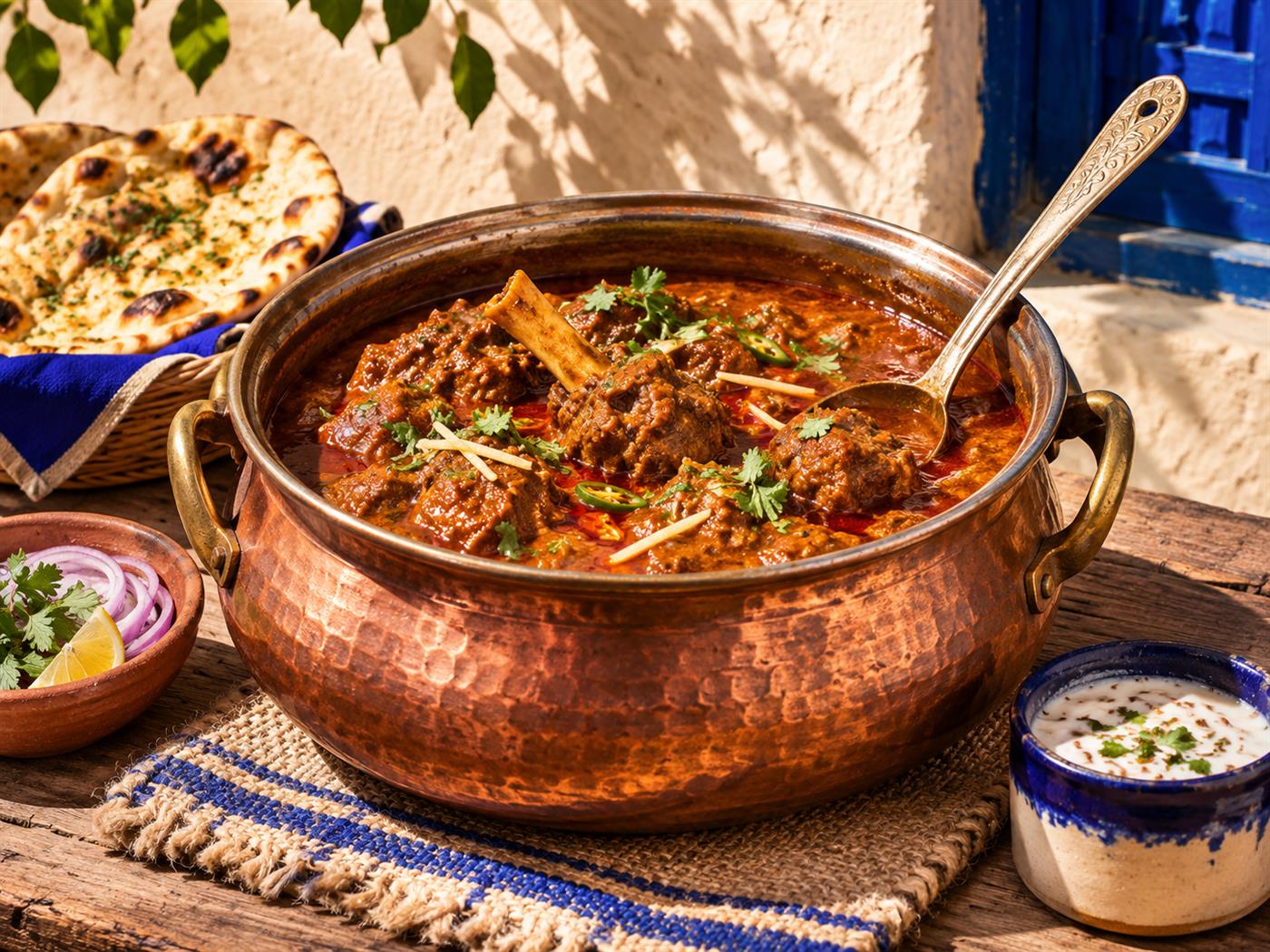
Slow-cooked curry in a copper pot
Step 03

Cook slow.
Wait.

There is no fast version of our food. Dal makhani simmers for six hours. Lamb korma braises for four. Chicken tikka marinates overnight in yoghurt and spice before it ever touches the tandoor. Onion masala — the base for almost everything on the menu — takes ninety minutes on its own, cooked down from raw onion to a deep brown paste with nothing but time and heat.

We could cook all of this in a pressure cooker and shave a few hours off each dish. We've tried it, and the results were not the same. Slow cooking lets the collagen in meat break down properly, lets the starches in lentils release, lets the sugars in onions caramelise. The technique is old because it works. So we keep the flame low, the pot open and the timer honest.

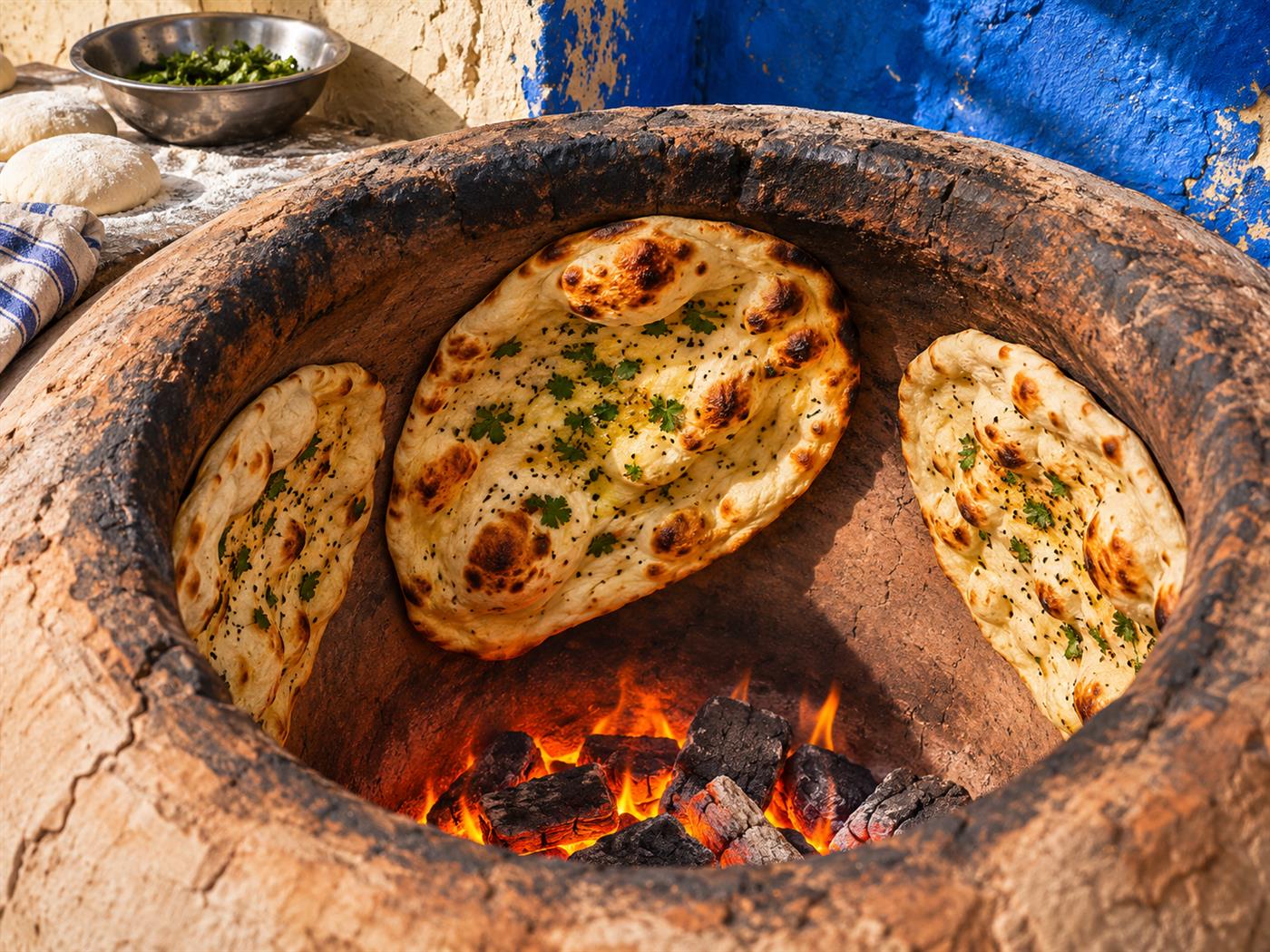
Naan baking in the tandoor
Step 04

Finish
by hand.

The last step happens after you order. Naan goes into the clay tandoor only when you order it — baked for ninety seconds at 900°F, brushed with garlic butter, handed straight to the counter. Rice is steamed to order. Raita is mixed fresh. The chutneys that go on every bowl are made in the morning, but they don't get plated until the bowl does.

This is the slowest part of the process, because it means we can't pre-assemble anything. But it's also the part that makes the biggest difference. A naan that sits in a warmer for ten minutes is a different food than a naan that's been out of the oven for thirty seconds. We'd rather make you wait than hand you the wrong one.

By the numbers

What a
normal day
looks like.

06:00

Spice grinding starts. Whole cumin, coriander and dried chilli go through the stone grinder for the day's masalas.

07:30

The dal goes on. Black lentils, kidney beans and water — the first long cook of the day, set to run for six hours.

08:00

Onion masala starts. Six kilos of onion, cooked down in ghee until they turn deep brown — ninety minutes of stirring.

09:00

Doors open. Chai is on. Breakfast parathas hit the counter. The first curries are ready for the day.

Taste the difference

Slow food.
Quick pickup.